Every June, we hear the same question in consultations: “What’s the actual difference between hurricane fabric and hurricane shutters and which one do I need?”
It’s a fair question. Both terms get used loosely online, and homeowners end up confused. Here’s the short answer, then the details behind it.
The Quick Answer
Hurricane shutters are rigid, structural systems. Think accordion shutters, roll-down aluminum, or storm panels. Installers permanently anchor them into your home’s structure. Because they become part of the building envelope, you need a licensed contractor and a building permit to install them.
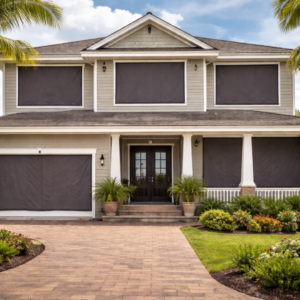
Hurricane fabric (also called hurricane screens) is a different category of product. It’s a high-tensile, engineered fabric often Kevlar-style or reinforced woven material that rolls down or deploys over an opening. Many hurricane fabric systems carry Miami-Dade NOA (Notice of Acceptance) approval. The Florida Building Code recognizes NOA-approved fabric as impact protection. You get that protection without the bulk, weight, or structural retrofit that rigid shutters require.
At Clarry Lane, hurricane fabric is what we specialize in. We’re not a licensed general contractor. We don’t install rigid, anchored shutter systems that work belongs to a different trade with different licensing requirements. What we offer is hurricane fabric, and it fits naturally alongside the rest of our business: window coverings that earn their keep every day, not just during a storm watch.
Why Hurricane Fabric Is Worth a Second Look
Most homeowners assume storm protection means a trade-off. Either you get real protection heavy, unattractive, a hassle to install and store or you get something nice-looking that does nothing in a storm. Hurricane fabric closes that gap.
It’s engineered for impact, not just marketed that way. Labs test quality hurricane fabric against wind-borne debris standards. Many products carry the same NOA approval used to qualify other impact coverings under Florida’s building code.
It works every day, not just during a named storm. Rigid aluminum shutters can’t do this. A deployed fabric screen also works as a solar shade it cuts glare and UV. You can lower it for privacy on an ordinary Tuesday afternoon, not just when a storm sits in the forecast.
It rolls away instead of taking up garage space. Most systems retract into a compact housing above the opening. You skip the annual routine of dragging panels out of storage, lining up bolts, and reversing the whole process once the storm passes.
It preserves your view. Solid aluminum or steel panels black out a room completely. Fabric systems generally let some light and visibility through, even deployed, so your house doesn’t turn into a sealed box the moment the screen comes down.
Where Rigid Hurricane Shutters Still Make Sense
Accordion shutters, roll-down aluminum, and storm panels still have their place. They can suit large openings, HVHZ zones with the highest wind-load requirements, or homeowners who specifically want an all-metal structural system. If that’s the direction you’re headed, take that project to a licensed contractor who specializes in structural storm protection and can pull the right permits.
So What Should a Tampa Bay Homeowner Actually Do?
Want a structural, permanently-anchored shutter system? That’s a licensed-contractor project. We’re happy to point you toward a specialist in that trade.
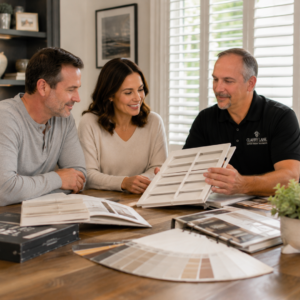
Want storm protection that also earns its keep the rest of the year? Fabric can cut glare, manage heat, add privacy, and roll away discreetly when you don’t need it. That’s exactly where hurricane fabric fits and where we come in. We’ll walk your home with you, talk through which openings matter most for storm season, and help you decide whether fabric fits alongside the rest of your window treatments.
A Few Related Questions We Hear Often
Is hurricane fabric actually code-compliant, or is it just marketed as storm protection? It depends on the specific product. Reputable hurricane fabric systems carry Miami-Dade NOA approval the same certification standard other approved impact coverings use under the Florida Building Code. Always confirm a product’s specific NOA number and rating before you assume it meets your home’s requirements. Not every fabric product on the market is certified.
Do I need a permit to install hurricane fabric? It depends on your municipality and the specific product and installation method. We walk you through what’s typically involved for your home, but always confirm current permit requirements with your local building department.
Does hurricane fabric help with home insurance discounts? NOA-approved storm protection products factor into wind mitigation credits. Rules vary by insurer and by product certification, so confirm current requirements directly with your insurance provider.
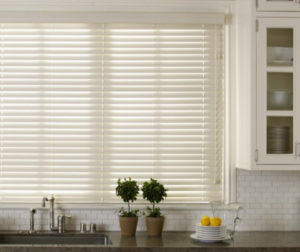
Can hurricane fabric work alongside interior window treatments like plantation shutters or shades? Yes. Installers typically mount hurricane fabric on the exterior of an opening, while plantation shutters, cellular shades, and blinds go inside. Tampa Bay homes use both: fabric for storm season and daily sun control outside, interior treatments for the finished, everyday look inside.
Planning window treatments for a Tampa Bay or Spring Hill home? Want to know whether hurricane fabric fits your windows, sun exposure, and budget? Schedule with the Clarry Lane team 813-480-8638. No pressure, just a clear plan.